
Free roof inspection in Kiefer
A roofer walks the roof when conditions allow. Share the concern or project you have in mind and start with a free roof inspection.
The inspection is free and a roofer walks the roof when conditions allow. You decide what happens next.
Free roof inspections in Kiefer
You might have a leak, a damaged area you can see from the ground, or a roof you are considering replacing. You do not need to identify the failed part before requesting an inspection. Tell us what you have noticed and when it began, or explain the project you are planning, and a roofer walks the roof when conditions allow. The inspection is free and it commits you to nothing.
The roof walk connects your concern to the actual covering and its details. A lifted shingle, an open flashing joint and an aged pipe boot are three different repairs, and the shingles around each one decide how far the work reaches. Looking at the surrounding material matters because a repair has to join a roof that can still accept it. That is what the inspection settles: what needs work now, what can wait and what is fine as it is.
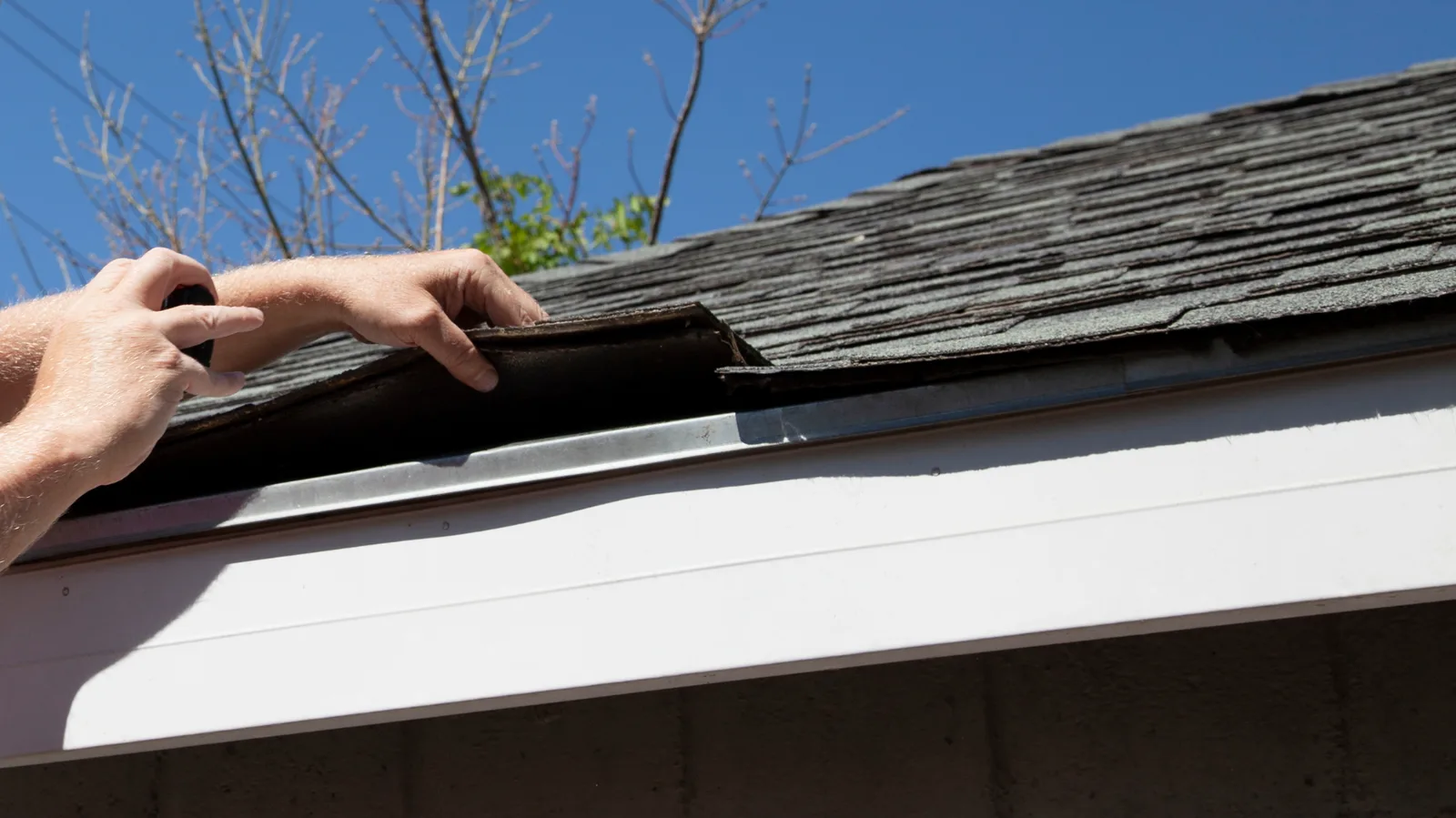
What a roofer examines on the roof
The walk follows the water. Each part of the roof gets looked at for the way it fails, and for what its condition means for the parts around it.
- Covering and nearby material
Shingle tabs that lift or have creased along the nail line, bare patches where granules have washed off, cracked or curled edges, hail bruises you can feel with a hand. Beyond the first visible problem, the roofer lifts the shingles around it: if they still flex, a repair has something to tie into; if they crack, the area that needs work is bigger than the damage you can see.
- Walls, pipes and roof transitions
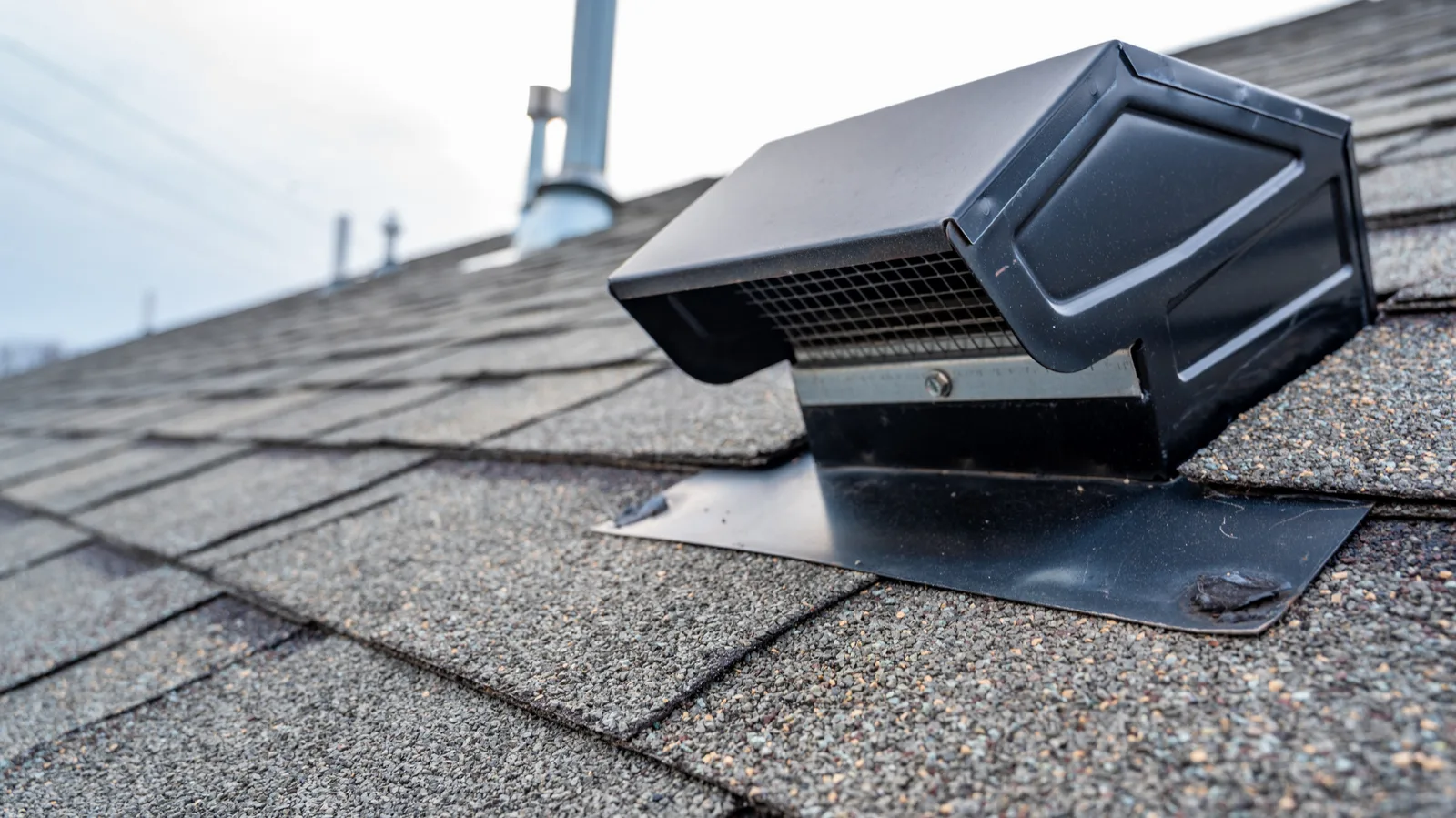
Step flashing where the roof meets a wall, counter flashing at the chimney, the rubber boot on each plumbing vent, the collars on furnace and fan vents. These carry water past the places the shingles have to stop. The roofer checks whether the metal still laps the right way, whether sealant has been asked to do a flashing’s job, and whether a boot has split in the sun.
- Valleys, ridges and edges
A valley moves the runoff of two slopes, so its metal, its shingle cuts and any debris damming it get a close look. Ridge caps are checked for cracks and lift, since they take the most wind. At the eaves and rakes, the drip edge and the first course show whether water has been curling back under the roof and into the fascia.
- Drainage and what the house has already shown
Gutters full of granules tell how fast the shingles are aging. Standing debris shows where water sits instead of leaving. And what you have already seen indoors matters: a stain that comes and goes with the wind, daylight through the boards in an attic you have been in, rusted nail tips. Tell the roofer; it says how long water has been getting in and from which direction.
How the roof walk goes
The inspection has an order to it, and the order is why it can tell a contained repair from a larger job.
- 1
Start with what you noticed
The room with the stain, the shingle in the yard, the storm date if there was one, when it started and whether it only shows in wind-driven rain. That points the roofer at the right part of the roof first. You report what you saw; tracing it is the roofer’s job.
- 2
Walk the covering
Every slope, not just the one over the problem. The roofer is reading the age and condition of the shingles as a whole, because that sets whether the roof can accept a repair at all. Brittleness, granule loss and failed seals across a slope change the answer before any single detail is looked at.
- 3
Check every interruption
Each pipe, vent, chimney, wall and valley in turn. The roofer lifts the courses around each one to see how the flashing laps, whether the boot is split, whether an earlier repair was sealant over a problem rather than a fix. These are the places a continuous covering has to be sealed by hand, which is why each one gets individual attention.
- 4
Look at the edges and feel for the deck
Drip edge, fascia and gutters at the eaves, and the deck itself underfoot: a soft or springy spot under the shingles is wood that has been wet. The condition of the wood below decides whether a repair is a covering job or a covering-and-deck job, and that changes the price more than anything on the surface.
- 5
Talk it through on the ground
What was found, what it means, and the honest range of options: a detail repair, a defined section, or a replacement priced alongside the repair. If the roof is fine, that is what you hear. The proposal follows that conversation, so it describes what the roof needs and why.
Where a roof walk may need a closer investigation
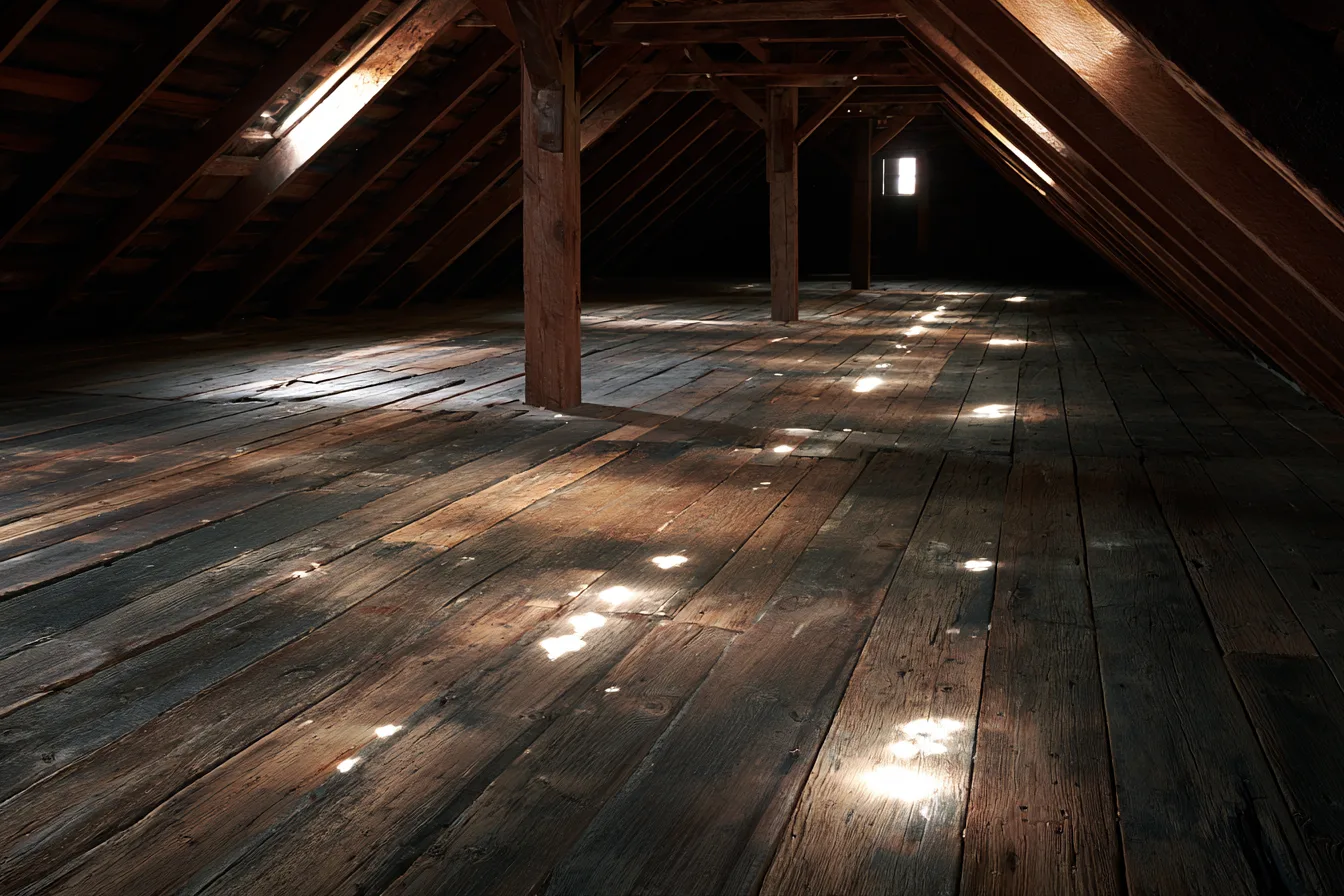
A roof walk answers most questions, but not every one. Water travels before it shows up indoors, along the underlayment, down a rafter, across the top of a ceiling, so a stain can sit a long way from its source. Deck rot hides under shingles that look ordinary from above. Wet insulation on a low-slope roof looks exactly like dry insulation until it is cut into. The surface can point at these problems without proving them.
When the walk turns up that kind of question, the next step is named as a step rather than guessed. That might mean lifting more courses to see how far brittle shingles run, or opening a small section of covering to see the wood. Where that is part of the repair itself, it belongs in the scope with a clear statement of how any additional damage is measured and agreed once it is visible.
An inspection is useful because it narrows the roofing question to something specific: this boot, this valley, this slope, this deck. It is not a promise that every hidden condition is visible from the top. The honest version of the findings says what was seen, what is suspected and what will only be known once the covering comes up.
Use the findings to discuss roofing work
The findings turn into one of three conversations.
When the problem is contained and the shingles around it still flex, roof repair is the scope: the failed part is replaced and tied into the courses around it, and the roof goes on doing its job. When the damage is a defined area from wind or a valley that has to be opened on both slopes, the repair is bigger but still a repair, and the findings say where its edge is.
When the shingles are brittle across a slope, the deck is soft in more than one place, or the repairs have been landing closer together each year, roof replacement is priced alongside the repair so you can compare them honestly. The repair-or-replace explorer shows what stays and what changes under each of those scopes, using the same covering, connections and supporting layers the roofer just looked at.
After wind or hail, the findings also separate what the roof needs from what the insurer decides. The storm damage page explains that distinction. For a shop or office with a low-slope roof, the commercial roofing overview explains where a membrane inspection concentrates and how the building’s use shapes the work.
Roof inspection FAQs
Is this a free roof inspection?
Yes. The inspection is free, and a roofer walks the roof when conditions allow. Requesting an inspection does not commit you to roofing work.
Do I need photographs before requesting an inspection?
No. Existing photos taken safely can help explain the concern, but they are optional. Do not climb onto the roof or enter an unsafe space to obtain them.
Will the inspection decide my insurance claim?
No. The insurer decides coverage and the claim under the policy. Examining the roof helps define the physical condition and possible work, which is a separate question.
Can I ask about a commercial roof?
Yes. Describe the building, any known system and access arrangements. The commercial roofing overview explains the assembly and operating questions that belong in that inspection.
Request a free roof inspection in Kiefer
Tell us where the property is and what you want help understanding. A free inspection is a practical first step.