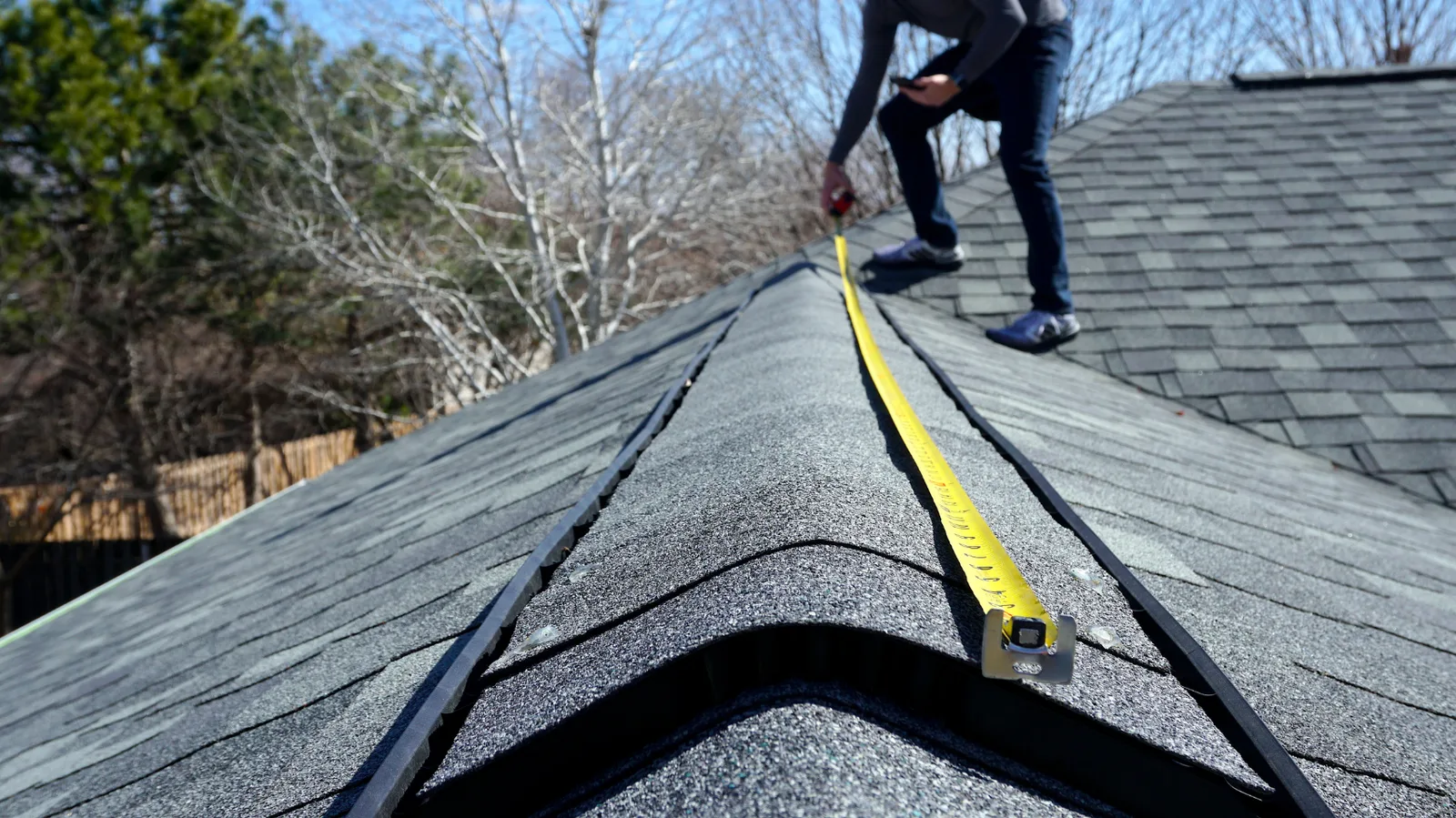
Repair or replace: what the roof is telling you
Understand how the damage, surrounding material and supporting layers change a roofing project.
The inspection is free and a roofer walks the roof when conditions allow. You decide what happens next.
The short answer
A localized repair works within a suitable existing roof. A replacement removes a larger area of material that no longer provides a useful base for repair. The distinction depends on more than the age of the roof or the size of a ceiling stain.
The inspection considers the affected area and the material around it. Damage below the covering may need further investigation or removal before the full scope is clear. This guide explains the conditions behind those decisions.
The conditions that change repair scope
- The surrounding covering
New material needs to meet the roof that stays. Shingles that crack when lifted can expand the repair area because a sound overlap cannot be made at the first damaged course.
- The extent of damage
A failed boot can be a localized connection problem. Deterioration across a slope is a broader condition. The scope needs to follow the affected material rather than only the first visible symptom.
- The supporting deck
New covering needs a sound base. Water-damaged decking requires attention, and concealed areas may only be assessed after roofing is removed. A surface inspection cannot show every hidden layer.
- Previous repairs
An earlier repair is useful context. Repeated concerns may come from a missed entry point, a different detail or a wider material problem; the count of repairs alone does not decide replacement.
Explore what stays and what changes
Choose a proposed scope to see how it affects the covering, connections and supporting layers. If the work has not been defined, start with the unknown option.
These examples explain the work in a proposed scope. They do not determine what your roof needs.
Start with the roof concern
You can request help without choosing repair, replacement or coating. Describe the leak, visible change or project you are considering.
Identify the existing material
The condition and type of the surface help establish which repair or replacement methods fit.
Locate the affected detail
Walls, pipes, seams and edges need to be considered with the concern you described.
Clarify what needs further assessment
A roof walk can raise questions about concealed material. Additional investigation may be needed before its condition is known.
Questions to bring to the project discussion
- What condition needs attention on this roof?
- Which parts can remain suitable, and which need closer investigation?
- What proposed work would address those findings?
What you can tell us from the ground
Report what you noticed. Tracing it is the roofer’s job.
Mention the room where water appeared, a damaged area you can see safely from the yard, or a previous repair you already know about. The approximate timing helps guide the inspection, and if the stain only shows in wind-driven rain, say so: wind pushes water past flashing that sheds an ordinary shower, and that detail tells a roofer where to start. You do not need to collect a pattern of leaks before asking for help.
Stay off the roof and clear of wet fixtures or sagging ceilings. Reporting what you have noticed is enough; examining the roof and defining the work belongs to the roofing discussion.
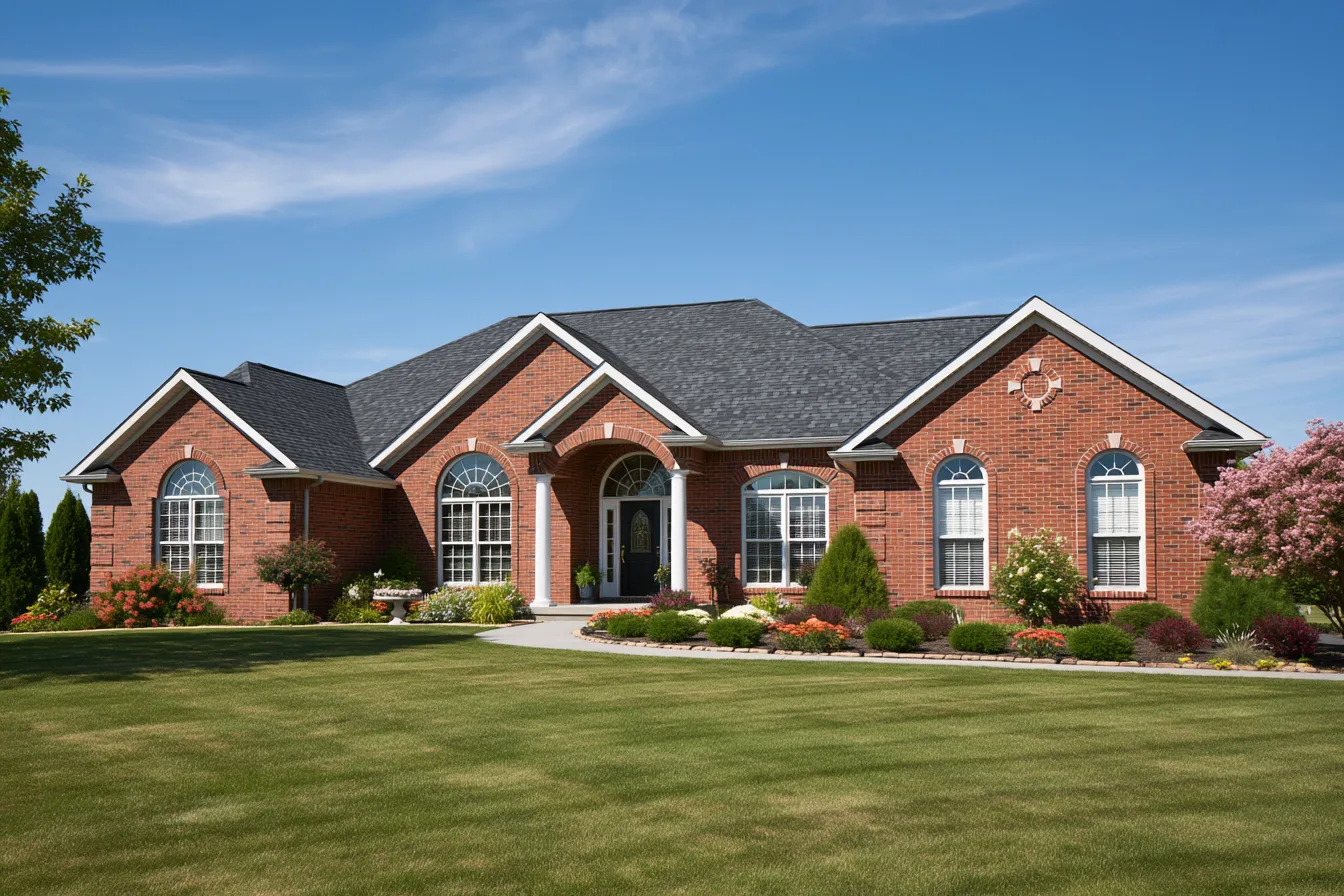
What the free inspection helps clarify
A roofer walks the roof when conditions allow and examines the covering, the connections at pipes, walls, chimneys and valleys, and the edges. The findings turn into a specific conversation: a contained repair that ties into shingles that still flex, a defined section where wind or a valley has to be opened further, or a roof replacement scope priced beside the repair when the covering is brittle across a slope.
Knowing which parts remain usable is what makes the next conversation specific instead of general, and it is the same three layers the explorer above uses: the covering, the connections and the supporting layers.
Repair or replace FAQs
Can an older roof still be repaired?
Yes, when the affected area can be repaired into suitable remaining material. The roof repair page explains how the connection to the surrounding covering changes that decision.
Does replacement always remove every layer?
The existing layers, their condition, the proposed system and applicable requirements determine what can stay. The project scope should identify the removal and retained layers rather than treating every reroof the same way.
Does an insurance inspection replace the roofing discussion?
An insurer assesses a claim under the policy and its findings. The roofing scope describes the physical work proposed for the property. Both questions matter, but they serve different purposes and do not automatically produce the same result.
Understand the work your roof needs
A free inspection is a useful starting point for a repair or replacement discussion.