Roofing services in Kiefer, Oklahoma
Get help with a leak, damaged roofing or a planned replacement. The existing roof and the work you want to accomplish guide the next step.
The inspection is free and a roofer walks the roof when conditions allow. You decide what happens next.
How roofing work on a Kiefer home fits together
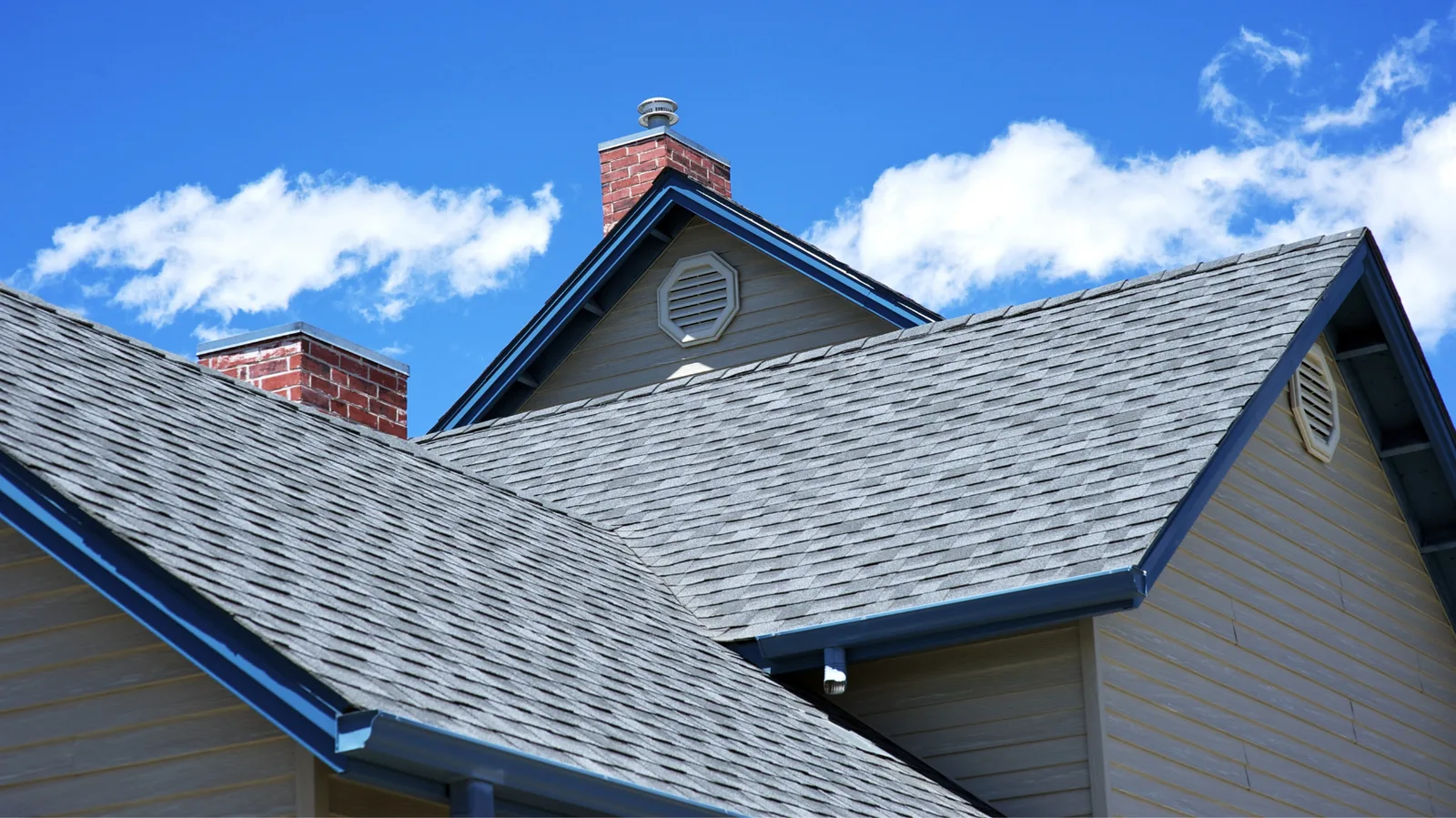
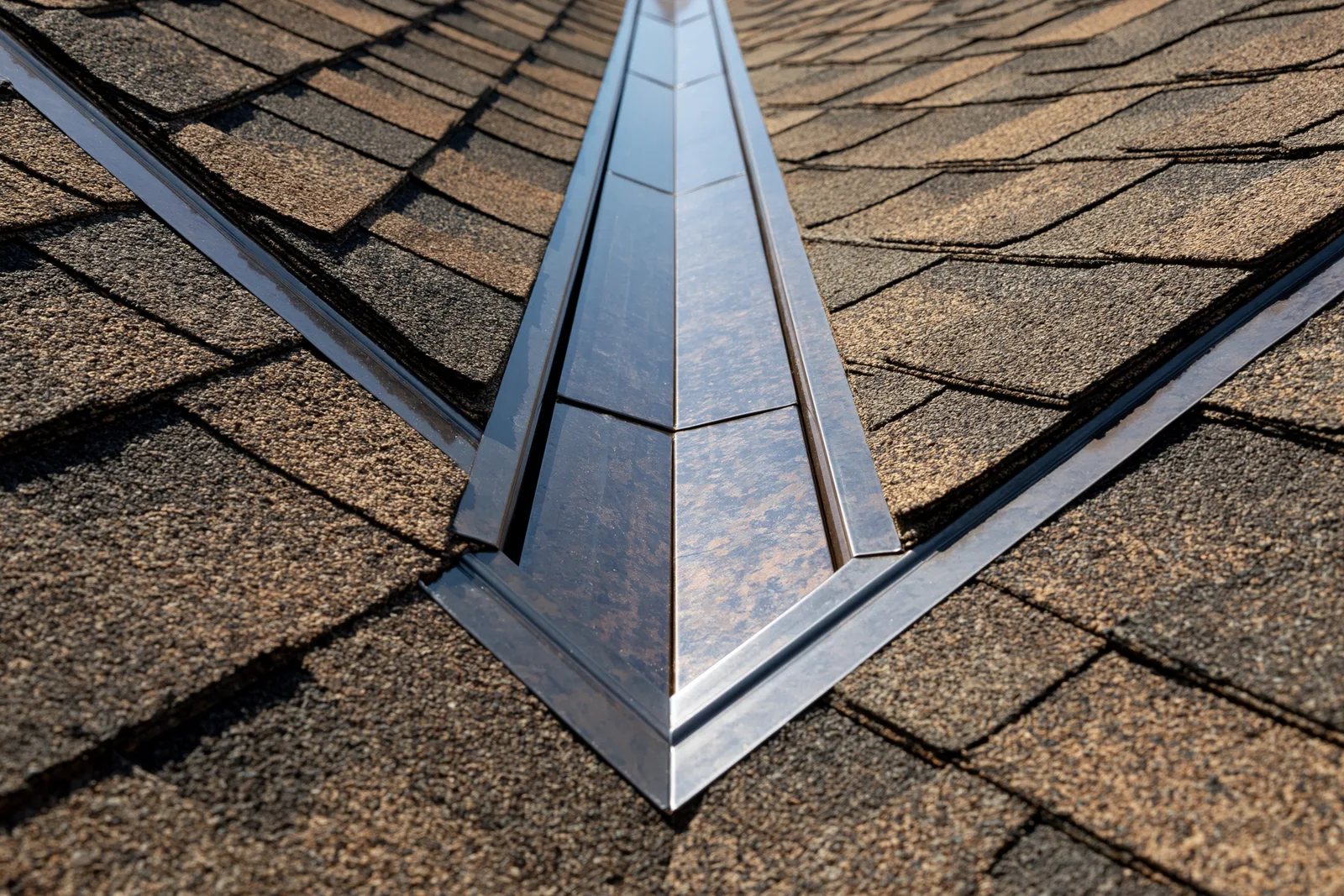
Every roof in Kiefer is doing three jobs at once. The shingles or panels shed rain. The flashings, boots and edge metal carry water past the places the covering has to stop: a chimney, a vent pipe, a wall, a valley where two slopes meet. And under all of it, underlayment and wood decking hold the covering up and catch what gets past it. Almost every roofing request we hear comes down to one of those three layers, and the kind of work you need follows from which one has given way.
That is why a split pipe boot is an afternoon of work while a roof full of brittle shingles is a replacement conversation, even when both of them showed up as the same brown ring on a ceiling. You do not need to know which one you have. Tell us what you noticed and where, and a roofer walks the roof, free, when conditions allow. The pages below explain each kind of work so you know what you are hearing when we come down the ladder.
Residential roofing services in Kiefer
The work divides by what has actually failed, not by what the roof looks like from the driveway. Here is how the kinds of help relate, and where each one starts.
A leak or one damaged spot
When the roof is mostly sound and one part of it is not.
A stain on the ceiling, a shingle in the yard after a windy night, a drip near the bathroom fan: these are usually one failed part on an otherwise working roof. The rubber boot around a plumbing vent dries out in the sun and splits years before the shingles around it are tired. Wind lifts a course and breaks its seal. Flashing pulls away from a chimney and every rain has a gap to wick into.
Repair means finding the actual entry point, which is not always under the stain, because water follows the deck and framing downhill before it comes through. Then the failed part is replaced and tied back into the courses around it. Whether that holds comes down to the shingles next to the repair. If they still flex when a roofer lifts them, the new work ties in. If they crack, the repair gets bigger, and how far it grows is the honest question the inspection answers.
Not sure what the roof needs
Start with the free inspection and let the roof answer.
Plenty of calls start with "I am not sure it is a problem." A neighbor got a new roof. The house is twenty years old and nobody has looked up there. A previous owner mentioned a repair and you never found out where. You do not have to diagnose any of that before you ask. A roofer walks the roof when conditions allow, looks at the covering, the connections and the edges, and tells you what needs work now, what can wait and what is fine as it is.
The inspection is free and it commits you to nothing. It is also the starting point for every other service on this page, because a repair, a storm claim conversation and a replacement all begin with the same thing: someone standing on the roof looking at what is really there.
After wind or hail
Storm damage is a roof question first and a claim question second.
Wind and hail damage a roof in different ways. Wind works on edges and seals: it lifts shingle tabs, creases them along the nail line and tears off whole courses at ridges and rakes. Hail bruises the shingle surface, knocking the protective granules loose and cracking the mat underneath, which lets the sun finish the job over the following seasons. Both can bend flashings, dent vent caps and open up the connections that were doing fine before the storm.
After a storm we look at the whole roof, not just the spot you can see from the yard, and we keep three things separate: what is safe to do right now, what the roof physically needs, and what your insurer decides under the policy. A dated report from the county storm records is useful context for a claim. It is not proof of damage, and it does not set the repair scope.
Wear across the whole roof
When repairs keep coming back, price the replacement beside them.
A roof wears out as a whole. Granules wash into the gutters, shingles go brittle and lose their seal, and the repairs start landing closer together. At that point a new patch is tied into material that cannot hold it, and the money spent on the third or fourth repair belongs in a replacement instead.
A replacement is more than new shingles. The old covering comes off, the wood decking is finally visible and any rotten sheets get replaced, new underlayment goes down, and the flashings, drip edge, boots and ridge ventilation are rebuilt with the new covering rather than reused around it. Because the roof is open, the scope has to say what happens if the deck is worse than expected. The replacement page walks through each part of that job.
Choosing what goes on the roof
The covering changes the details, the price and the roof for the next few decades.
If the roof is asphalt shingle, the real choice is between three-tab, architectural and designer profiles, plus whether an impact-rated product is worth it for a roof that sees Oklahoma hail. Color, wind rating and what the product warranty actually covers are separate questions, and they are easier to settle once the scope of the roof is known.
A move to metal is a bigger change than it looks. Panel type, exposed or concealed fasteners, the base the panels attach to and how eaves, valleys and walls are detailed all change with the material. Both pages explain the choices so the proposal you are reading makes sense.
From the free inspection to a written scope of work
The inspection ends with a conversation on the ground about what the roof needs, and the useful next thing is a scope of work you can actually read. A scope is a description of the physical job: which part of the roof is being worked on, what comes off, what goes back and how it connects to what stays. A price without that description is a number you cannot compare to anything.
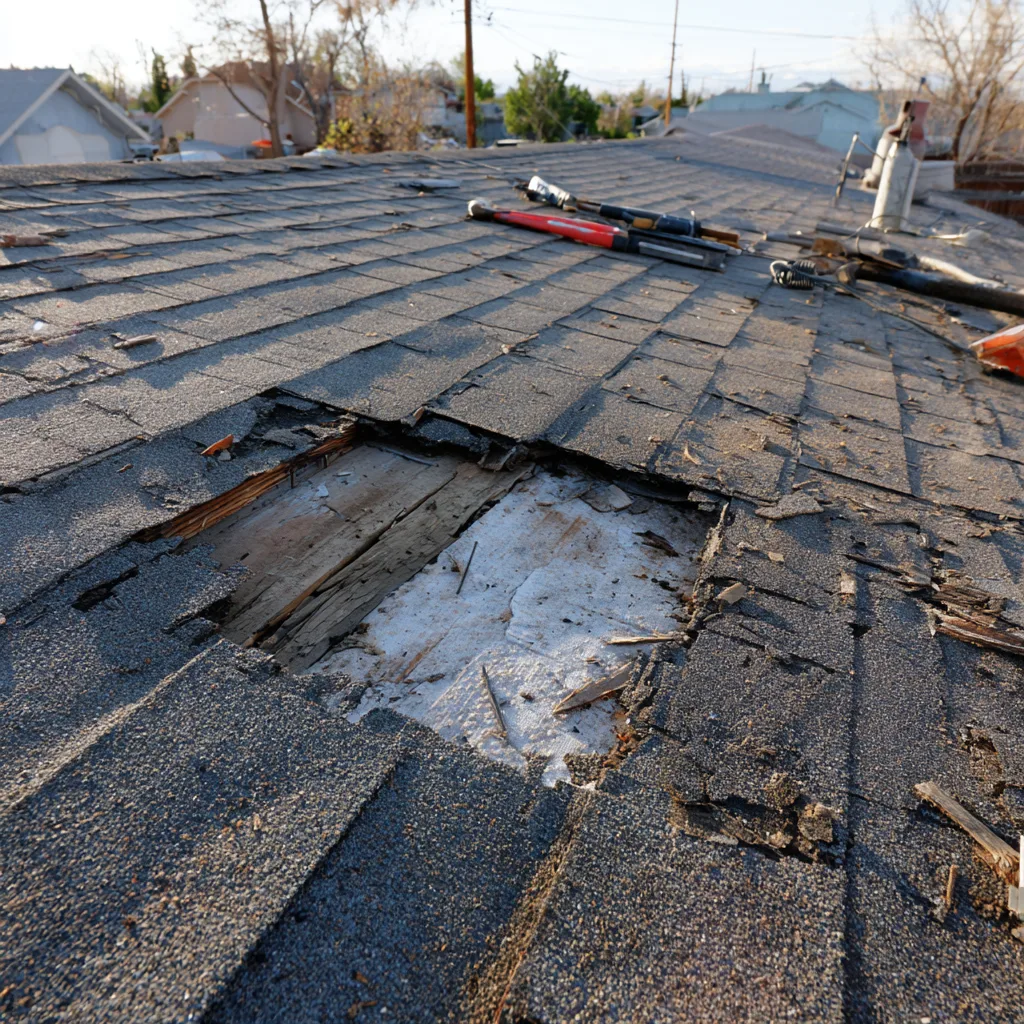
The hardest part of any roof to price is the part nobody can see. Decking hides under the covering until the shingles come off, and a soft spot that felt like one sheet from above can turn out to be three once the roof is open. An honest scope says what is known now, what will only be known once the covering is opened, and how that extra work gets measured, priced and agreed before it proceeds. That is not a loophole. It is the difference between a roof job that ends where the paper said it would and one that keeps growing.
Whether it is a boot, a slope or the whole house, ask for the scope in these terms. If a proposal cannot tell you what stays and what goes, it is not finished yet.
- The area being worked on
The slope, the detail or the whole roof, described in a way you could point to from the yard. For a repair, how far past the visible damage the work extends and why.
- What comes off and what stays
Which covering and layers are removed, and the reason any existing material is proposed to remain. Retained material needs a reason to stay.
- The wood underneath
How decking is checked once it is exposed, the unit it is measured in when sheets need replacing, and how that price is agreed before the work goes further.
- Flashings, boots and edges
Which chimney, wall, valley and pipe details are rebuilt with the new work, and which existing metal is being tied into. Sealant over a failed flashing is not a repair.
- Underlayment and ventilation
On a replacement, the water barrier under the covering and the intake and exhaust vents that let the attic breathe, named as parts of the job rather than assumed.
- Cleanup, disposal and the property
Where the old roofing goes, how the yard and driveway are protected, and what access the crew needs around the house while the roof is open.
Every roof gets its own scope. These are the parts a Kiefer homeowner should expect to see named, whatever the size of the job.
Commercial roofing in Kiefer
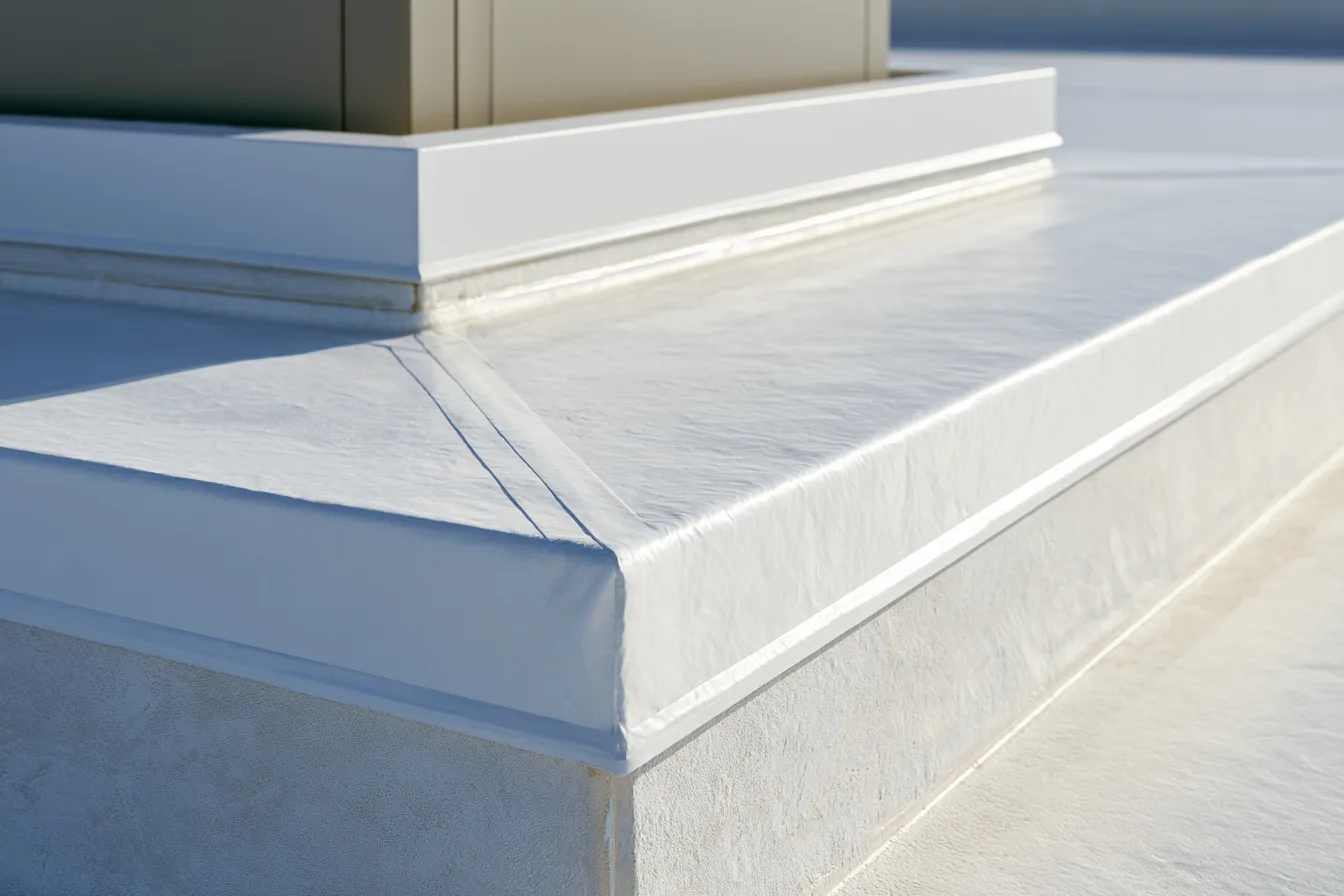
A low-slope roof over a shop, an office or a church is a different assembly from a house: a membrane or coating on top, insulation under it, a deck under that, and every interruption in the surface sealed with its own detail. An inspection concentrates where that surface is interrupted: seams, drains, parapets and the curbs that carry rooftop units, because those are the places a continuous sheet has to be sealed by hand.
The work also has to happen around a building that is in use. Deliveries, a loading dock, tenants trading and units that cannot go down during business hours all belong in the scope from the first conversation, and the roof file that records what system is up there and what has been patched before is what lets the next repair start from knowledge instead of guesswork.
A leak on a low-slope roof
Trace the interruption, then find out how wet the insulation is.
On a flat roof, water can travel along the top of the insulation or the deck and drop at a seam or a fastener some distance from where it got in, so the drip inside is a clue rather than the entry point. Repair starts by tracing the water to the seam, the curb flashing, the drain bowl or the puncture that let it in, then checking the insulation around it. Wet insulation under a tidy surface patch stays wet, loses its insulating value and keeps the deck damp, so the repair has to say how much of it comes out.
TPO membranes, new or existing
Welded seams, attachment and what sits under the sheet.
TPO is a single-ply sheet held down by fasteners, adhesive or ballast and joined with heat-welded seams. Repairs depend on whether the existing sheet can still take a weld, which comes down to its age, surface condition and the product. A new TPO roof is planned from the deck up: what the old assembly is, whether it comes off or gets covered, the insulation and its attachment, the seams, and every curb, drain and edge that has to be flashed into the new membrane.
Restoring a roof that is still sound
A coating is only as good as the roof under it.
A fluid-applied coating can extend the life of a membrane or metal roof that is structurally sound and dry, without a tear-off. It also seals in whatever is under it. Before anyone proposes a coating, the insulation needs a moisture check, the seams and flashings need to be repaired rather than painted over, and the surface has to be cleaned and primed for the product to bond. When those conditions are met, restoration is a serious option. When they are not, the coating fails early and the replacement it was meant to defer arrives anyway.
Kiefer roofing service FAQs
Do I need to choose a service before requesting help?
No. Explain the roof concern or the work you are considering. The existing roof and the project goal help define which service fits, and the free inspection sorts a repair from a larger job before anything is proposed.
How do I know whether my roof needs a repair or a replacement?
It comes down to the condition of the roof around the problem. If the shingles next to the damage still flex and hold a seal, a repair ties in and holds. If they crack when lifted, or the repairs are landing closer together each year, the replacement belongs on the table beside the repair price. The repair or replace explorer shows what stays and what changes under each scope.
Can the project include different roof materials?
Yes. A main roof, addition and separate building can have different coverings or slope requirements. Start with the property and the areas involved; the replacement guide explains how retained and new materials affect the scope.
Where can I compare shingle styles?
The shingle options page explains the main profiles, product-rating questions and the roof details that go with a material choice.
Talk through the roofing work you need
You do not need to choose a service label before contacting us. Describe the property and your concern.